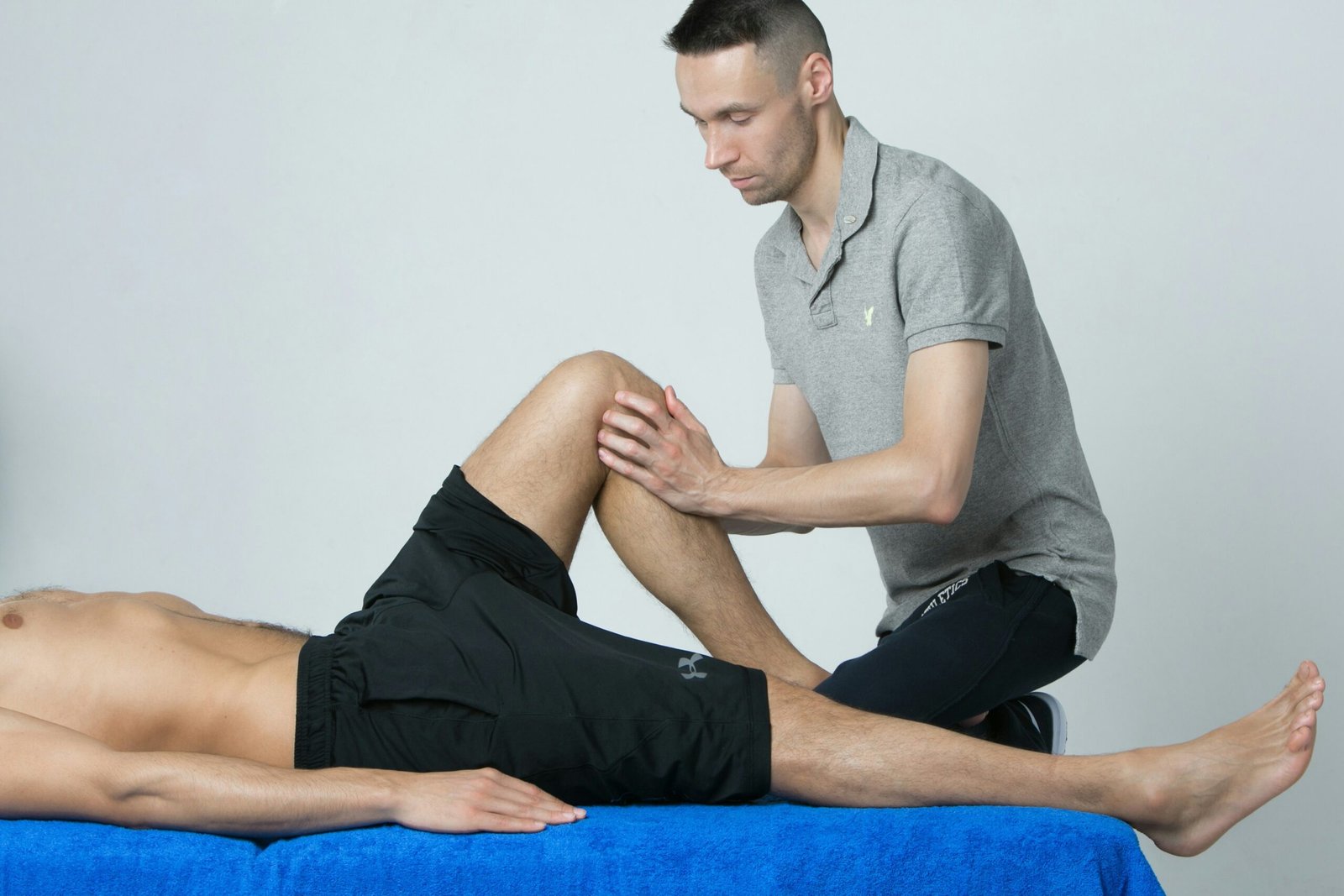
Recovering from surgery doesn’t end when you leave the operating room—it’s only the beginning. Post-surgical physical therapy plays a critical role in helping you regain strength, restore mobility, and return to your normal daily activities safely and confidently.
Whether you’ve had a joint replacement, ligament repair, or another orthopedic procedure, physical therapy is essential for a complete and successful recovery. Early on, it can help manage pain and reduce swelling. As you progress, it becomes the foundation for rebuilding strength, improving function, and preventing future injury.
Understanding what to expect can make the recovery process feel less overwhelming and help you stay motivated every step of the way.
What Post Surgery Physical Therapy Involves
Post-surgical physical therapy begins with a comprehensive evaluation by a licensed provider once your surgeon clears you to start treatment. This first visit sets the foundation for your entire recovery plan.
During your evaluation, your physical therapist will:
- Assess your current pain levels
- Evaluate how well your incisions are healing
- Measure your range of motion (ROM)
- Identify strength deficits
- Discuss how your condition is affecting your daily activities
This personalized approach ensures your treatment plan is tailored specifically to your needs, your surgery, and your goals.
One of the most important aspects of post-surgical care is communication. Your physical therapist works closely with your surgeon to follow any required precautions and protocols.
These guidelines may include:
- Movements or positions to avoid temporarily
- Gradual timelines for weight-bearing or activity progression
- Specific exercises designed to protect healing tissues
This collaboration ensures that your recovery is not only effective, but also safe.
Why It Matters for Recovery
Healing after surgery takes time, but physical therapy helps ensure that time is used as efficiently and effectively as possible.
Without proper rehabilitation, patients may experience:
- Stiffness or reduced mobility
- Muscle weakness
- Poor movement patterns
- Increased risk of reinjury
Physical therapy bridges the gap between surgery and full recovery.
Key Benefits of Post-Surgical Physical Therapy
- Pain Management: Guided movement and manual therapy techniques can help reduce discomfort and inflammation.
- Improved Mobility: Restoring range of motion is crucial for returning to normal movement.
- Strength Building: Targeted exercises help rebuild muscle strength safely.
- Faster Recovery: Structured rehab helps you progress more efficiently.
- Injury Prevention: Learning proper movement patterns reduces the risk of future issues.
Perhaps most importantly, physical therapy gives you confidence. Instead of wondering what’s safe or pushing too hard, you’ll have expert guidance every step of the way.
What to Expect During the Recovery Process
Every surgery is different, which means every recovery timeline will vary. However, most post-surgical rehabilitation follows a general progression. Understanding these phases can help you know what to expect and stay encouraged along the way.
Phase 1: Early Recovery (Pain & Swelling Management)
This phase begins shortly after surgery and focuses on protecting the surgical site while reducing discomfort.
During this stage, your physical therapy may include:
- Gentle movements to prevent stiffness
- Techniques to reduce swelling and inflammation
- Light exercises to promote circulation
- Education on safe positioning and movement
The goal here is not to push hard, but to support healing and prevent complications.
Phase 2: Restoring Range of Motion
As healing progresses, the focus shifts to regaining normal movement.
You’ll work on:
- Improving joint mobility
- Reducing stiffness
- Gradually increasing activity levels
This stage is critical because limited range of motion can impact long-term function if not addressed early.
Phase 3: Strengthening and Functional Movement
Once cleared by your surgeon, strengthening becomes a primary focus.
Your therapist will guide you through exercises that:
- Build muscle strength and stability
- Improve balance and coordination
- Support everyday movements like walking, bending, or lifting
This phase helps you transition from basic movement back to normal daily activities.
Phase 4: Return to Activity
In the final phase of recovery, therapy becomes more specialized and goal-oriented.
Depending on your lifestyle, this may include:
- Sport-specific training
- Higher-intensity exercises
- Work-related movement preparation
- Endurance and performance training
The goal is to help you return not just to activity—but to activity with confidence and reduced risk of reinjury.
How Long Does Recovery Take?
Recovery timelines vary depending on the type of surgery, your overall health, and how consistently you follow your therapy plan.
In general:
- Minor procedures may require a few weeks to a few months
- More complex surgeries (like joint replacements or ligament repairs) can take 3–12 months for full recovery
It’s important to remember that progress isn’t always linear. Some days will feel easier than others, and that’s completely normal.
Staying consistent with your therapy program and communicating with your provider will help keep you on track.
No two surgeries—or patients—are exactly the same. That’s why a personalized, one-on-one approach to care is so important.
At Bushnell Physical Therapy, each treatment plan is tailored to:
- Your specific surgery and condition
- Your personal goals
- Your lifestyle and activity level
This individualized care helps ensure that you’re progressing at the right pace while minimizing risks along the way.
Post-surgical physical therapy is one of the most important steps you can take to ensure a safe, effective, and complete recovery. From managing pain early on to rebuilding strength and returning to the activities you love, physical therapy provides the structure and support your body needs to heal properly.
You don’t have to navigate recovery alone.
If you’ve recently had surgery or are planning for one, now is the time to take a proactive approach to your rehabilitation.
Schedule an evaluation with Bushnell Physical Therapy today and let our team create a personalized recovery plan designed to help you move better, feel stronger, and get back to doing what you love.
FAQs
When will I start physical therapy after surgery?
- It depends on the type of surgery you have and when cleared by your surgeon. For many you will start within a few weeks after the surgery, but other times you will be in a cast, or other protective device for several weeks while the body heals.
How often will I attend physical therapy?
- It’s common to have frequent visits when first starting physical therapy, usually 2-3 times per week. Once you progress and heal more, the visits will often get spread out as needed.
What should I be doing between my physical therapy appointments?
- You will be provided with exercises to do at home to help continue working towards healing and strengthening the surgical area. It’s important to perform these daily (or as instructed) to ensure the quickest and most effective recovery.
Don’t wait any longer to enjoy living!